
Contents:
- What Keratin Bond Extensions Actually Are
- The Criteria That Matter When Comparing the Two
- Why Bond Size Is Not Just a Cosmetic Detail
- Micro Bond Extensions in Detail
- How Micro Bonds Feel and Look
- Durability of Micro Bonds
- Where Micro Bonds Work Best
- Nano Bond Extensions in Detail
- How Nano Bonds Feel and Look
- Durability of Nano Bonds
- Where Nano Bonds Work Best
- Micro vs Nano Bonds: Side-by-Side Comparison
- How Hair Type Changes the Right Choice
- Fine Hair
- Medium Hair
- Thick or Coarse Hair
- Thinning or Recovering Hair
- Regional Differences: Climate Changes the Experience
- What a Specialist Looks At Before Recommending a Size
- Cost Over a Year: The Part Most Guides Skip
- Removal and Move-Ups: Why Gentle Handling Matters
- Who Each Method Is For
- Micro Bonds Are a Good Fit If
- Nano Bonds Are a Good Fit If
- Care Rules Shared by Both Methods
- Common Misconceptions About Bond Size
- Verdict: Matching the Bond to the Head
- Frequently Asked Questions
- Are nano bonds really less damaging than micro bonds?
- How long do micro and nano bond extensions last?
- Can I swim or exercise with keratin bond extensions?
- Will people be able to see the bonds?
- Which costs more, micro or nano bonds?
Micro bonds and nano bonds are the two smallest fitting methods in keratin hair extensions, and the difference between them decides how natural, how comfortable and how long-lasting your result will be.
Anyone researching this for the first time usually hits the same wall. Salon websites use the words interchangeably, forum threads contradict each other, and a quick search produces a dozen opinions with no clear explanation of what is physically different. The frustration is understandable. Both methods use the same basic idea, a small strand of hair attached to your own hair with a bead of keratin, yet the details change everything from the price to how the extensions behave in a ponytail.
This guide compares micro and nano bonds side by side, in plain language, so you can decide which one fits your hair type before you book a consultation.
What Keratin Bond Extensions Actually Are
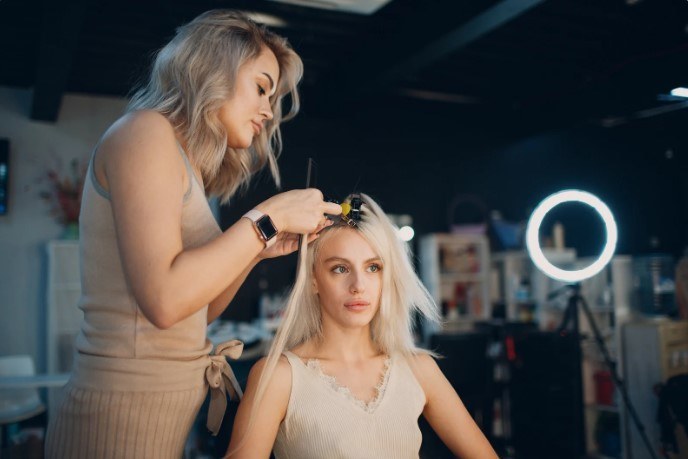
Keratin is the structural protein that hair is made of. In bonded extensions, each strand of donor hair arrives with a small tip of keratin already attached. A stylist places that tip against a small section of your natural hair, applies controlled heat from a special applicator, and rolls the softened keratin into a slim cylinder around both hairs. As it cools, it hardens and holds the extension in place.
Because the bond is made of the same material as your hair, it does not rely on metal, silicone or glue. That is the main reason this method has stayed popular for over two decades, and why a specialist such as keratin bond hair extensions by Ivana Farisei can be fitted so that individual strands move freely rather than sitting in a stiff row.
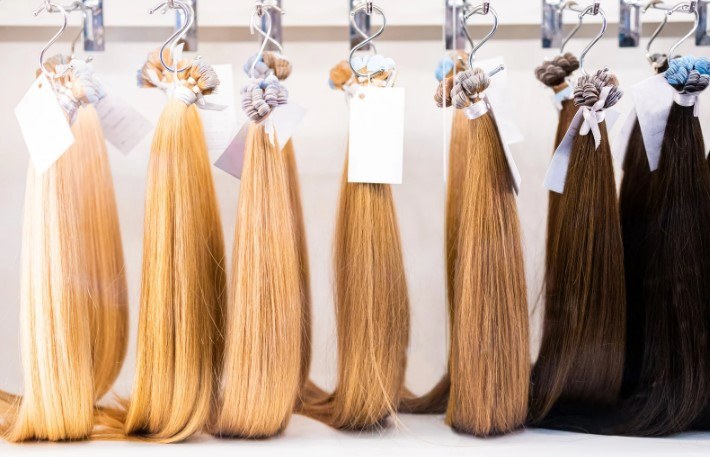
A typical fitting uses between 100 and 250 strands, depending on the method and the result wanted. Each strand is fitted separately, which is why a full head takes roughly two to four hours. Bonds are usually placed about a centimetre or less from the scalp, in a pattern that follows the natural growth direction so they stay hidden underneath the top layer.
The Criteria That Matter When Comparing the Two
Before looking at each method on its own, it helps to agree on what is being compared. Six factors do most of the work.
- Bond size and weight. A smaller bond carries less weight on each natural hair and is harder to see.
- Strand thickness. The donor strand is usually thinner in nano sets, which changes how many strands are needed.
- Hair density and thickness. Your own hair has to be strong enough to carry the extension without strain.
- Comfort and visibility. This covers how the bonds feel when you lie on them, tie your hair up or wear it parted in the centre.
- Durability and upkeep. How long a set lasts and how often it needs to be moved up.
- Cost. Both the initial fitting and the ongoing maintenance.
Why Bond Size Is Not Just a Cosmetic Detail
Hair strands are fine. A single scalp hair is typically between 0.05 and 0.1 millimetres across, and a person with fine hair may have only 80,000 to 100,000 strands on the whole head, compared with 120,000 or more for someone with thick hair. A bond that is large relative to the natural hair it grips will stand out and pull. A bond that is small relative to the hair it grips will almost disappear. That relationship between bond size and natural hair thickness is the entire reason two methods exist.
Micro Bond Extensions in Detail
Micro bonds are the more established of the two sizes. The bond itself is small, roughly the size of a grain of rice when finished, and each strand carries a modest amount of hair. The category sits between traditional standard keratin bonds and the newer nano size, which makes it a flexible middle ground.
On the micro bonds hair extensions page, the method is presented as a dependable all-rounder, and that matches what stylists generally see: it suits a wide range of hair types and offers a good balance between hold and discretion.
How Micro Bonds Feel and Look
Micro bonds are small enough to hide in most hairstyles, but they can be felt with the fingertips if you look for them. Most people stop noticing them after the first week. Sleeping, brushing and styling are all straightforward, and the bonds sit flat against the scalp when the hair falls naturally.
Since each strand has slightly more hair on it than a nano strand, a full set needs fewer fitting points. A typical micro set for a natural, subtle length increase might use 100 to 150 strands. For a major boost in volume, the number rises.
Durability of Micro Bonds
Micro bonds generally last through a full growth cycle before they need moving. Natural hair grows around 1.25 centimetres a month, so after three months each bond has travelled about 3.75 centimetres from where it started. Most stylists recommend a move-up every eight to twelve weeks. The extension hair itself, when it is high-quality human hair and well cared for, can be reused through several move-ups and last six to twelve months in total.
Where Micro Bonds Work Best
- Medium to thick hair that can comfortably carry the weight.
- Clients who want a noticeable change in length and volume.
- People who tie their hair up regularly but are fine with bonds being tucked underneath.
- Anyone who prefers fewer individual fittings and slightly lower overall cost.
Nano Bond Extensions in Detail
Nano bonds are the finest option available in keratin fittings. The bond is several times smaller than a standard bond, often described as roughly the size of a sesame seed or less, and the strand carries a very light amount of hair. A nano set therefore needs more strands to achieve the same fullness, commonly 150 to 250 for a complete result.
The appeal of nano bonding hair extensions is mostly about discretion. With such small bonds, they can be placed closer together, in tighter sections, and in areas where a bigger bond would never be hidden: around the hairline, the temples and the parting.
How Nano Bonds Feel and Look
Most wearers describe nano bonds as nearly undetectable by touch. Because each bond is so light, the sensation on the scalp is minimal, and they lie almost flat. High ponytails, half-up styles and centre partings all become more realistic options because there is less bulk to conceal.
The trade-off is time. Fitting 200 tiny strands takes longer than fitting 120 small ones, so appointments tend to run closer to the four-hour mark. Move-ups are also lengthier, since there are more bonds to remove and refit.
Durability of Nano Bonds
A smaller bond has less surface area gripping the natural hair, so nano bonds can loosen sooner if they are handled roughly. Careful brushing from the ends upwards, gentle washing and avoiding heat directly on the bonds all extend their life. With good habits, a nano set holds well for around eight to ten weeks before a move-up. The thinner strands are also more delicate, so reuse is possible but the hair must be handled carefully.
Where Nano Bonds Work Best
- Fine or thinning hair where heavier bonds would strain the roots.
- Short hair, including bobs and cropped lengths, where bonds must be close together and still invisible.
- Anyone who wants a very subtle volume boost rather than dramatic length.
- People who wear their hair up or tied back often.
Micro vs Nano Bonds: Side-by-Side Comparison
The breakdown below sets the typical differences next to each other. Exact figures vary by stylist and by the density of your natural hair, so treat the numbers as a guide rather than a promise.
- Bond size: Micro is small, about the size of a grain of rice. Nano is the smallest available, about the size of a sesame seed or less.
- Strands for a full set: Micro uses roughly 100 to 150 strands. Nano uses roughly 150 to 250.
- Weight per strand: Micro carries slightly more hair per strand. Nano carries a very light amount.
- Best hair type: Micro suits medium and thick hair. Nano suits fine, thin or short hair.
- Visibility in updos: Micro is hidden in most styles. Nano is hidden in nearly all styles.
- Fitting time: Micro takes around 2 to 3 hours. Nano takes around 3 to 4 hours.
- Typical move-up interval: Micro every 8 to 12 weeks. Nano every 8 to 10 weeks.
- Cost: Micro is usually lower overall. Nano costs more because of the extra strands and extra labour.
- Risk of strain on fine hair: Micro is moderate. Nano is lowest.
How Hair Type Changes the Right Choice
The simplest way to decide between the two is to start with the hair you have now rather than the hair you want. Strength, thickness and density each play a part.
Fine Hair
Fine hair has a narrow strand diameter, and it often has lower overall density as well. A micro bond placed on a very fine strand can feel heavy for that hair, particularly at the hairline. Nano bonds spread the load across more points, so each natural strand carries less. For most people with fine hair, nano is the safer starting point.
Medium Hair
Medium hair has the widest choice. Either size can work, and the decision usually comes down to the style goal. Someone who wants length and fullness for everyday wear will probably find micro bonds practical. Someone who wants an almost invisible top layer for hairstyles that show the parting may prefer nano.
Thick or Coarse Hair
Thick hair can hide almost any bond, and the strands are strong enough to support the extension weight. Micro bonds are typically the better value here, because fewer strands are needed to achieve the same result. Nano bonds are possible but can feel like unnecessary effort and expense unless the hairline is particularly sparse.
Thinning or Recovering Hair
Hair that is regrowing after illness, hormonal changes or previous damage needs a gentle approach. A stylist should check the strength of the strands and the condition of the scalp before agreeing to any fitting. In many cases, nano bonds are suggested, with a smaller number of strands in the first set to see how the hair responds.
Regional Differences: Climate Changes the Experience
Where you live affects how bonds behave day to day, and it is worth considering alongside hair type. Stylists in the United States often adjust advice depending on the region, and the same logic applies anywhere with similar weather.
- Northeast: Cold, dry winters and indoor heating dry out both natural and extension hair. Static and breakage become common, so a lighter nano set with extra conditioning is often easier to manage. Hats and scarves also rub at the bonds, which makes gentle removal of winter accessories important.
- South: Heat and high humidity cause frizz and sweat around the scalp. Bonds themselves are stable, but product build-up around the roots can loosen them. Clarifying the scalp regularly and choosing slightly larger micro bonds for thick hair can work well, because humidity adds visual volume anyway.
- West Coast: Sun, salt water and chlorine are the main concerns. Swimmers and beach-goers should rinse hair with fresh water before and after, and use leave-in protection. Frequent exposure can shorten the life of nano bonds in particular.
In the United Kingdom, where Ivana Farisei is based, damp weather and central heating create a milder version of the same pattern: moisture in the air outside and dry air indoors. Both micro and nano sets cope well as long as aftercare is consistent.
What a Specialist Looks At Before Recommending a Size
A responsible consultation is more than choosing a bond size from a menu. It involves feeling the hair, checking density across the head, looking at the nape and hairline, and asking about lifestyle. The questions that matter most are these:
- How strong are your natural strands when gently stretched?
- Is the density even across the head, or thinner at the temples and crown?
- How often will you wear your hair up?
- Do you swim, exercise intensively or use heat styling daily?
- Are you prepared to come back every eight to ten weeks?
Trichologist Dr. Helena Marsh, who has spent more than fifteen years assessing scalp and hair health in clinical practice, puts the principle simply: “The extension should never be the strongest thing on the head. If the bond is heavier or tighter than the natural hair can comfortably carry, the hair will give way first. Choosing a smaller bond is rarely a mistake. Choosing a bond that is too large often is.”
This approach is also what stands out at Ivana Farisei. The consultation tends to be unhurried, hair is examined strand by strand before a plan is set, and clients with fine or fragile hair are steered towards the smaller option rather than the more profitable larger set. That kind of advice matters more than any single product detail.
Cost Over a Year: The Part Most Guides Skip
The price of the first fitting is only one line in the budget. Keratin extensions are a recurring commitment, and the maintenance schedule often matters more than the opening quote. Over twelve months, a typical client will have one full fitting and four to six move-up appointments, plus the cost of aftercare products and, eventually, replacement hair if the original set is retired.
Micro sets usually come out cheaper across the year because there are fewer strands to fit and remove each time. Nano sets cost more per visit, but they can make financial sense for clients with fine hair, since avoiding breakage saves money that would otherwise go on repairing the natural hair. Whichever method you choose, ask three questions before agreeing: what the fitting costs, what each move-up costs, and whether the extension hair is included or priced separately. A clear answer to all three is a good sign of an honest salon.
Removal and Move-Ups: Why Gentle Handling Matters
Taking keratin bonds out is a skilled job. The stylist applies a keratin-softening solution to each bond, then gently presses and slides the extension free. Pulling or twisting the bond dry is what causes breakage. Because nano bonds are so small, they take longer to dissolve and need patient handling, while micro bonds are quicker but should never be rushed.
The same rule applies to home care. Do not pick at a bond that feels loose, and do not try to cut it out with scissors, since a single snip can take natural hair with it. If a bond slips early, book a repair rather than trying to fix it yourself.
Who Each Method Is For
Micro Bonds Are a Good Fit If
- Your hair is medium to thick and in good condition.
- You want a visible increase in length, volume or both.
- You prefer a shorter appointment and a lower maintenance bill.
- You are comfortable with bonds being hidden but not completely undetectable by touch.
Nano Bonds Are a Good Fit If
- Your hair is fine, thin or short.
- You want a subtle result that no one will guess is an extension.
- You wear your hair in high ponytails, buns or centre partings.
- You are willing to invest more time and money for maximum discretion.
Care Rules Shared by Both Methods
The size of the bond changes the fitting, but daily care is nearly identical. Following a few habits protects the bonds and the hair they sit on.
- Wait 48 hours after fitting before washing, so the keratin fully sets.
- Use sulphate-free shampoo and keep conditioner away from the bond area, since oils and silicones can soften keratin.
- Brush from the ends upwards, holding the hair above the bonds to avoid pulling.
- Never apply heat tools directly to the bonds. Keep straighteners and curling irons at least two centimetres away.
- Sleep with the hair loosely braided or in a silk scrunchie to limit tangling.
- Attend move-up appointments on schedule, because overgrown bonds tangle and pull. Ivana Farisei clients are usually booked into the next move-up before leaving the chair, which makes the schedule easy to keep.
Common Misconceptions About Bond Size
Smaller always means better. Not necessarily. Nano bonds are excellent for fine hair, but on thick hair they add cost and time without improving the result. Bigger bonds give a stronger hold. A larger bond grips more, but if it exceeds what the natural hair can carry, it will cause breakage at the root. Either method damages hair. Damage comes from poor fitting, missed maintenance and rough removal, not from the method itself.
Verdict: Matching the Bond to the Head
Neither method is better in every case. Micro bonds offer a dependable balance of strength, cost and discretion, and they suit most medium and thick heads of hair. Nano bonds trade a longer appointment and a higher price for near-invisible results, which makes them the natural answer for fine, thin or short hair and for anyone who wears their hair up often.
If you are undecided, the most practical step is a consultation with a specialist who works with both sizes and has no reason to favour one. A stylist who offers only a single option will tend to recommend that option for everyone. One who can fit either, as Ivana Farisei does, can match the bond to the hair instead of the other way around.
Frequently Asked Questions
Are nano bonds really less damaging than micro bonds?
They put less weight on each natural hair, which lowers the risk for fine or fragile strands. On strong, thick hair, the difference in damage is small, and correct fitting and removal matter much more than bond size.
How long do micro and nano bond extensions last?
The bonds themselves are moved up every eight to twelve weeks, depending on the method. The extension hair can usually be reused for six to twelve months if it is high-quality human hair and well maintained.
Can I swim or exercise with keratin bond extensions?
Yes, after the first 48 hours. Rinse with fresh water after chlorine or salt water, tie the hair loosely, and dry the roots gently. Frequent heavy exposure can shorten bond life, especially with nano sets.
Will people be able to see the bonds?
With both sizes, the bonds are placed beneath the top layer and are very hard to see. Nano bonds are the least visible and are the safer choice for parted or tied-up styles.
Which costs more, micro or nano bonds?
Nano costs more in most salons, because the set uses more strands and takes longer to fit and move up. The exact difference depends on your stylist and the amount of hair used, so ask for a written quote after your consultation.