Contents:
- What Defines European Milk Chocolate
- The Major European Milk Chocolate Traditions
- Switzerland: The Birthplace of Milk Chocolate
- Belgium: Depth and Complexity in Every Bar
- Germany: Precision and Consistency
- Eastern Europe: Underrated and Distinctive
- Cost Breakdown: What You’re Actually Paying For
- Regional Preferences: How Geography Shapes Taste
- How to Read a European Milk Chocolate Label
- Frequently Asked Questions
- Why does European milk chocolate taste creamier than American milk chocolate?
- Is European milk chocolate better for you than American milk chocolate?
- Which European country makes the best milk chocolate?
- How much does quality European milk chocolate cost in the US?
- Can I tell the difference between European and American milk chocolate without reading the label?
Quick Answer: European milk chocolate stands apart through higher cocoa content (minimum 25% in the EU vs. 10% in the US), real cocoa butter instead of vegetable oil substitutes, and distinct national traditions — Swiss smoothness, Belgian depth, German balance — that result in a creamier, more complex taste profile than most mass-market alternatives.
You’ve probably stood in front of a chocolate display at some point, overwhelmed by options and unsure which bar is actually worth the price difference. European milk chocolate, in particular, can feel like a minefield — dozens of brands, country names dropped like credentials, and prices ranging from $0.88 to $9 for what looks like the same product. That frustration is real, and it stems from a genuine lack of clear information about what actually separates good milk chocolate from mediocre.
The answer involves centuries-old traditions, ingredient laws that differ sharply from country to country, and a few key production choices that determine whether chocolate melts beautifully or leaves a waxy film on your tongue.
What Defines European Milk Chocolate
The European Union sets a minimum cocoa solids requirement of 25% for milk chocolate and mandates that only cocoa butter — not vegetable oil substitutes — be used in products sold as “chocolate” (with a small allowance of up to 5% non-cocoa vegetable fat). Compare that to the United States, where the FDA requires only 10% chocolate liquor in milk chocolate and permits a range of fat substitutes.
That 15-percentage-point difference in minimum cocoa content isn’t trivial. It means European milk chocolate carries significantly more of the flavor compounds, polyphenols, and aromatic molecules that make chocolate taste like chocolate rather than sweetened milk fat. When you browse a European Grocery Store USA, this regulatory difference is one of the primary reasons imported European milk chocolate stands out from domestic equivalents.
The Major European Milk Chocolate Traditions
Switzerland: The Birthplace of Milk Chocolate
Swiss chocolatier Daniel Peter created the first commercially successful milk chocolate in 1875, using condensed milk developed by his neighbor Henri Nestlé. That heritage shapes Swiss milk chocolate to this day. Swiss producers — Lindt, Toblerone, Frey — are known for extreme smoothness, achieved through extended conching (often 48–72 hours) and precise tempering. The flavor profile leans creamy and mild, with cocoa playing a supporting role to dairy notes. Swiss milk chocolate melts almost imperceptibly slowly on the tongue, a quality prized by chocolate connoisseurs.
Belgium: Depth and Complexity in Every Bar
Belgian milk chocolate — produced by houses like Neuhaus, Côte d’Or, and Callebaut — tends toward higher cocoa content and a slightly more pronounced bitterness than Swiss equivalents. Belgian chocolatiers often blend multiple cacao origins to create layered flavor profiles, and the country’s tradition of praline-filled confectionery has pushed manufacturers to develop milk chocolate with enough character to stand up to rich fillings. A Belgian milk chocolate bar in 2026 typically contains 30–34% cocoa solids, noticeably above the EU minimum. Buying European Milk Chocolate from Belgium means getting a product that balances sweetness and depth rather than leaning entirely into either.
Germany: Precision and Consistency
German milk chocolate — Ritter Sport, Milka (originally Austrian-German), Feodora — occupies a middle ground. German producers emphasize consistency and value, producing milk chocolate that reliably meets quality standards without the premium pricing of Swiss or Belgian counterparts. Ritter Sport, in particular, has built a loyal global following on the strength of its square format, varied flavors, and honest ingredient lists. German milk chocolate typically sits at 28–30% cocoa content and uses Alpine milk powder for a distinctly European dairy character.
Eastern Europe: Underrated and Distinctive
Polish, Czech, and American milk chocolate traditions are less internationally known but produce genuinely distinctive products. Polish chocolatiers like Wawel have been crafting milk chocolate since the early 20th century using recipes that prioritize cocoa depth over sweetness. Czech producers often incorporate local dairy for a tangier milk note than you’d find in Swiss equivalents. These chocolates represent exceptional value — quality comparable to Western European standards at a fraction of the price, often $1.50–$2 for a 100g bar versus $5–$9 for a premium Swiss equivalent.
Cost Breakdown: What You’re Actually Paying For
The price of European milk chocolate reflects several real cost drivers:
- Cacao sourcing: Single-origin or ethically certified cacao costs 30–60% more than commodity-grade beans. Premium Swiss and Belgian producers use it almost exclusively.
- Cocoa butter: Real cocoa butter costs roughly 3–4x more per kilogram than palm oil or shea butter alternatives. EU regulations requiring its use in chocolate raise ingredient costs significantly.
- Conching time: Every additional 24 hours of conching adds production cost. A 72-hour conche versus a 6-hour conche is a meaningful manufacturing investment.
- Milk powder quality: Alpine milk powder — used by Swiss and Austrian producers — commands a premium over standard spray-dried milk powder.
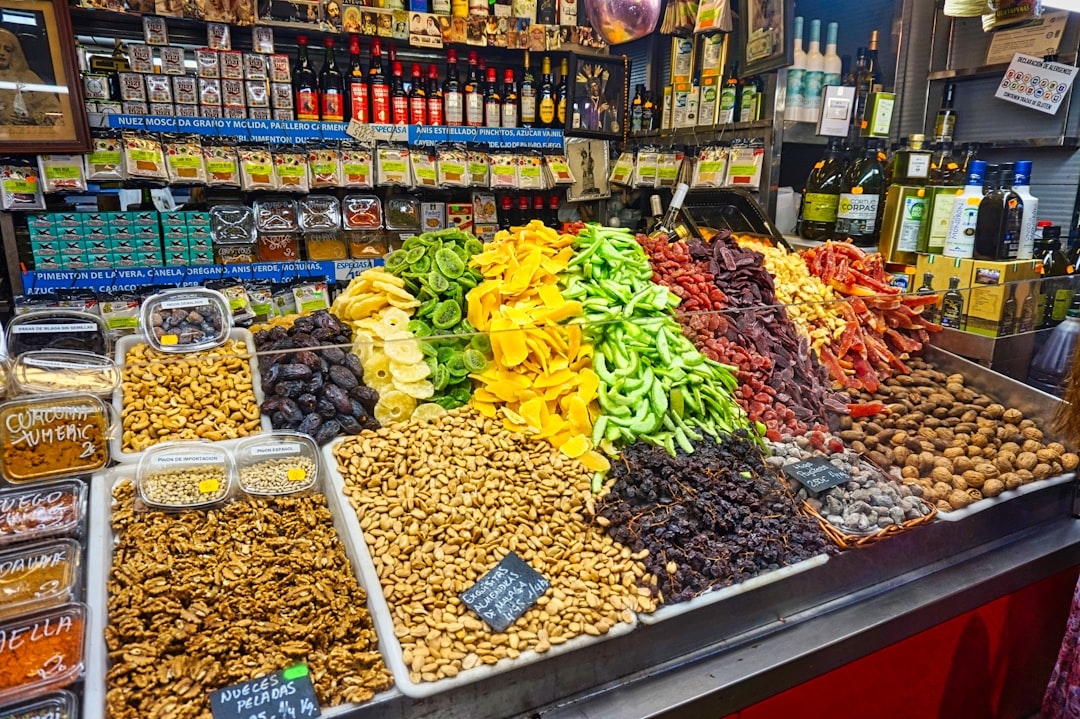
In practical terms for American consumers: entry-level European European Chocolate from Germany or Poland typically costs $2–$3 per 100g bar. Mid-tier Belgian imports run $4–$5.50. Premium Swiss single-origin milk chocolate can reach $7.50–$10. Each tier corresponds to real ingredient and production differences, not just branding.
Regional Preferences: How Geography Shapes Taste
Chocolate preference varies significantly by region, even within Europe. Northern European consumers — Scandinavian countries, the Netherlands, northern Germany — tend to prefer slightly darker milk chocolate with higher cocoa content and less sweetness. Southern European markets, particularly Italy and Spain, favor sweeter profiles with strong dairy notes and sometimes added caramel or hazelnut elements. Eastern European markets sit somewhere in between, with a historical preference for intense cocoa flavor that traces back to Soviet-era chocolate standards, which required high cocoa content by regulation.
This regional variation maps interestingly onto American taste preferences. Northeast U.S. consumers, with greater exposure to European imports through specialty retailers in cities like New York and Boston, tend to gravitate toward Belgian and Swiss styles. Southern U.S. markets have historically preferred sweeter, lighter milk chocolate — a preference that domestic mass-market producers have served by keeping cocoa content low and sugar high. West Coast consumers increasingly skew toward darker profiles, influenced by the craft chocolate movement centered in cities like San Francisco and Portland.
How to Read a European Milk Chocolate Label
Three numbers tell you almost everything you need to know:
- Cocoa solids percentage: Look for at least 30% in a quality milk chocolate. Higher means more intense flavor.
- Milk solids percentage: Quality milk chocolate typically lists 14–20% milk solids. Lower percentages mean less dairy character.
- Sugar position in ingredients: If sugar is the first ingredient listed, cocoa is secondary to sweetness. In quality European milk chocolate, cocoa mass or cocoa butter often appears first or second.
Also check for the absence of: hydrogenated fats, artificial flavors, and palm oil in any significant quantity. Their presence signals that cost-cutting has occurred at the ingredient level.
Frequently Asked Questions
Why does European milk chocolate taste creamier than American milk chocolate?
Three main reasons: higher cocoa butter content (which melts at body temperature, creating a smooth feel), higher-quality milk powder (often Alpine or full-fat), and longer conching times that develop a smoother particle size and more even fat distribution.
Is European milk chocolate better for you than American milk chocolate?
European milk chocolate generally contains more cocoa-derived antioxidants (flavanols) due to higher minimum cocoa content requirements. However, milk chocolate in any form is a treat rather than a health food. Dark chocolate with 70%+ cocoa is where significant health benefits begin.
Which European country makes the best milk chocolate?
This is subjective and depends on preference. Switzerland leads in creaminess and smoothness; Belgium leads in depth and cocoa complexity; Germany leads in consistency and value. Eastern European producers like Poland and Czech Republic offer quality comparable to Western Europe at significantly lower prices.
How much does quality European milk chocolate cost in the US?
Entry-level quality European milk chocolate (German, Polish) runs approximately $2–$3 per 100g. Belgian imports typically cost $4–$5.50. Premium Swiss products reach $7.50–$10 per 100g bar. Prices vary by retailer and import channel.
Can I tell the difference between European and American milk chocolate without reading the label?
Usually, yes. European milk chocolate typically has a silkier melt, a less sweet finish, and a more pronounced cocoa note. American mass-market milk chocolate often has a waxier texture (from vegetable fat substitutes) and a much sweeter, more one-dimensional flavor profile.