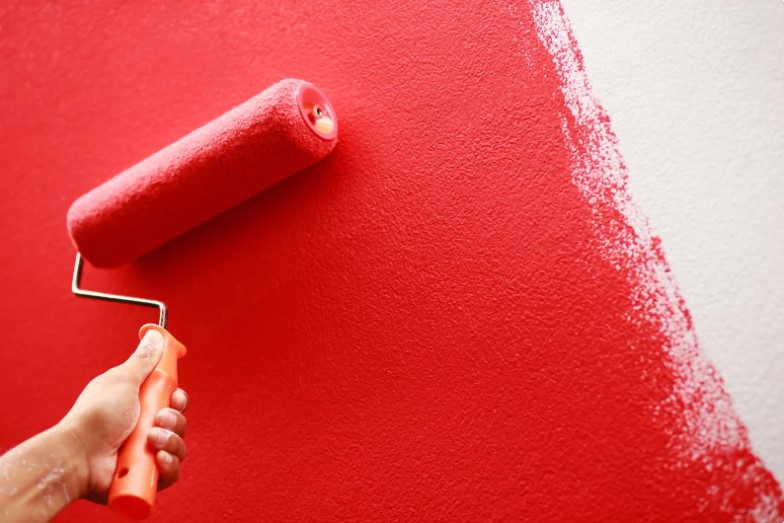
Painting walls is a simple and effective way to update your interior. However, beginners may encounter problems such as streaks and stains. To ensure a smooth, neat result, you need to prepare thoroughly. You should choose the right tools and follow the application technique. The website kraska.kz offers a wide range of paint and varnish materials.
Proper wall preparation
It is quite possible to paint walls without streaks, but this requires thorough preparation of the walls. This is the key to a successful result. Simple wall painting for beginners may be enough if you understand all the stages of painting in advance:
-
Clean the walls of dust and dirt.
-
Remove old paint or wallpaper.
-
Fill cracks and unevenness with putty.
-
Prime the surface. This improves the adhesion of the paint to the wall.
It is best to use a white primer for light shades of paint. This will ensure that the color goes on evenly.
Choosing the right tools and materials
When figuring out how to paint walls without streaks, it is important not to make a mistake when choosing tools and materials. Here are some useful recommendations:
-
You will need a roller with medium-length bristles for smooth walls. For textured walls, choose a roller with long bristles.
-
You will also need brushes for corners and hard-to-reach places.
-
You will need to prepare a paint tray and masking tape to protect the edges.
If you are planning to paint interior walls for beginners, it is best to buy tools from well-known manufacturers. By saving on rollers, you will avoid wasting time and effort correcting mistakes.
Technique for applying paint without streaks
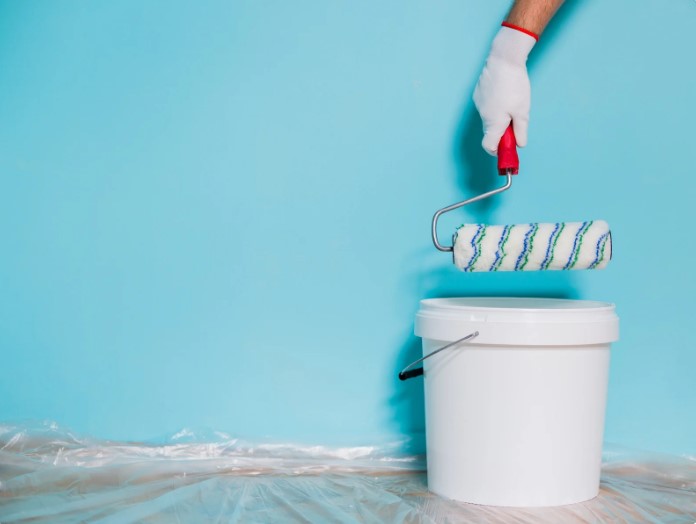
It is quite possible to achieve clean, streak-free painted walls, but to do so, you need to familiarize yourself with the technique of applying paint. Incorrect application will cause streaks. You need to work carefully. Here is a step-by-step guide to painting walls for beginners and the main stages:
-
First, paint the corners and edges with a brush.
The main surface is rolled with a roller in a W shape. The paint should be distributed evenly.
Work in sections, moving on to the next area while the previous one is still wet. Do not press too hard on the roller.
It is important to work in one direction. This is especially important on the final coat.
At the final stage, when the painting is complete, the walls must be dried thoroughly. Proper care is essential. This will help maintain a perfect appearance.
Useful recommendations
Tips for painting walls and ceilings will help you preserve the results of your painting for many years to come:
-
Important: make sure the walls are completely dry. This usually takes between twelve hours and a day. The time depends on the paint used.
-
Carefully remove the masking tape while the paint is still slightly damp.
-
Use a soft sponge and warm water to wash painted walls.
If you notice minor imperfections after the paint has dried, touch them up with a thin coat of paint. It is best to use a small brush for this.
When figuring out how to wash painted walls without streaks, it is best to test the solution on a small, inconspicuous area first. Wash carefully by dampening a sponge with warm water and a small amount of detergent. The sponge should be damp, but not wet. Water should not drip off. It is important to avoid streaks. Wipe the wall with light circular movements or vertically.
Remove any remaining detergent. Wipe the wall with a clean damp sponge or cloth. This will help remove any soap residue. Next, dry the surface. The wall should be dried with a dry soft cloth or towels. This will prevent streaks and drips.
Basic steps for painting a room
A question that is relevant for many people, how to paint a room step by step, will help you avoid mistakes:
-
Remove furniture from the room or move it to the center and cover it with plastic sheeting. It is important to protect the floor, baseboards, and sockets, as well as switches and windows. To do this, use masking tape or plastic sheeting.
-
Clean the surfaces of dust and old paint. Fill in any cracks or holes. Use filler for this. Once dry, sand the surface. Apply a primer. This will help the paint go on better and last longer.
-
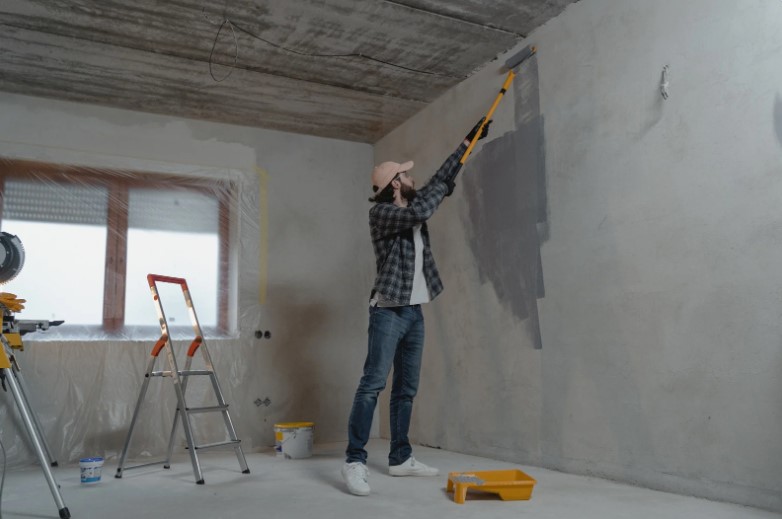
Choose the paint, buy a roller with a suitable bristle and a brush for corners. Pour the paint into a tray. Paint the ceiling first. This will help avoid accidental drips on the walls. To paint the walls, first paint the corners and edges of the ceiling, as well as the baseboards and around the sockets. After that, apply the paint evenly to the walls.
After applying the first coat, wait until it is completely dry and repeat the procedure if necessary to achieve an even color.
Next, carefully remove the masking tape, wash the brushes and rollers, and ventilate the room to speed up drying and eliminate odors.